
Knowing what to do and feeling ready to do it are two different things. A young adult may understand that he needs a budget but feel unsure where to start. He may want to speak up at work but struggle to find the words.
Milestone’s approach to life skill development offers focused opportunities to practice practical skills in real time, ask questions, and refine approaches through daily routines and actual responsibilities rather than isolated classroom instruction.

Learning Through Active Daily Experience
Taking on new responsibilities can feel overwhelming when done without guided support. Integrated life skill development gives participants a chance to work through individual tasks and real-world situations as they arise.
That might mean discussing how to plan a grocery budget, then using a sample shopping list to make spending decisions. A communication session might involve practicing how to raise a concern with a roommate.
The purpose is to leave with something useful: a clearer approach to a task and a next step participants can try in daily life.
Key Areas of Life Skill Development
Skill building spans several core areas, integrated directly into daily life and tailored to individual goals and needs.
Budgeting and Everyday Spending
Practice making spending decisions with a realistic amount of money. Activities may focus on understanding expenses or planning a purchase before making it.
Cooking and Meal Planning
Work through the steps involved in preparing a meal. That may start with choosing a recipe and creating a shopping list, then considering how much preparation time is needed.
Organization and Executive Functioning
Practice strategies for starting tasks, organizing responsibilities, and adapting plans when something changes. Possible activities include breaking tasks into smaller steps and using reminders or checklists.
Communication and Conflict Resolution
Practice expressing a need clearly and listening to another person’s perspective. Everyday disagreements offer opportunities to learn how to respond without avoiding the issue or escalating it.
Interviewing and Workplace Communication
Practice common interview questions and ways to communicate clearly at work. These exercises can complement career preparation tailored to a participant’s goals.
Goal Setting and Follow-Through
Turn a broad goal into an action that can be completed. Participants can consider what might get in the way and how to adjust their approach when a plan needs to change.
Developing Skills While Using Them
Skills are best learned by doing, supported by repeated practice and direct coaching in real time.
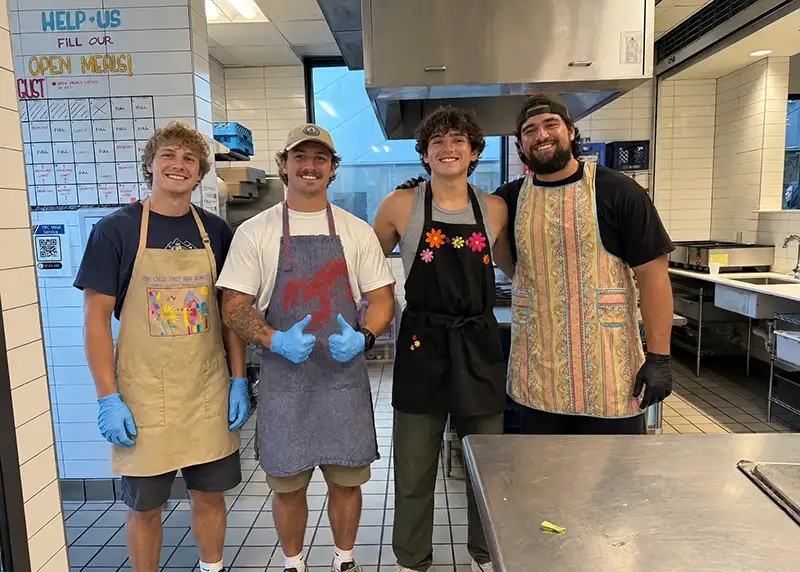
Budgeting concepts are applied directly during grocery shopping trips. Organization strategies are implemented when preparing for actual appointments. Communication techniques are tested and refined during authentic, everyday interactions in shared living.
Milestone’s residential setting provides an ideal environment for young men to actively practice these responsibilities. Ongoing coaching helps participants reflect on their progress and gain confidence in handling challenges.
How Life Skill Development Fits Into the Bigger Picture
Hands-on practice forms an essential element of Milestone’s broader approach to independence, honoring the unique goals, strengths, and needs of each young man.
For a broader look at building independence, explore Milestone’s life skills coaching. Young adults preparing for school can also learn about academic support, while those exploring work can find guidance on career development.
These resources outline how practical skill development supports success across academics, careers, and personal responsibilities.

Frequently Asked Questions
What areas of life skill development does Milestone focus on?
Core focus areas include budgeting, meal planning, organization, communication, and workplace readiness, customized to meet individual participant goals.
How is skill development structured within the residential program?
Skill building is embedded directly into everyday routines and real responsibilities, supported by continuous coaching and active practice rather than separate classroom courses.
What skills are taught?
Focus areas depend on individual needs. Planning practice helps participants structure daily schedules, while communication coaching provides actionable practice for resolving disagreements or seeking guidance.
How are skills practiced in daily life?
Participants actively apply skills through everyday tasks like shopping, managing appointments, and navigating shared spaces. Coaches work directly alongside them to reflect on progress and refine strategies.
Is skill development tailored to individual needs?
Yes, skill development is continually adapted to align with each participant’s growth, goals, and changing needs within the program.
Let’s Talk About His Next Step
Your son may know what he wants to accomplish and still need help getting started. Focused practice can give him a place to work through that uncertainty.
Tell us where he is having difficulty. We’ll discuss how Milestone’s approach to skill building may fit his goals.